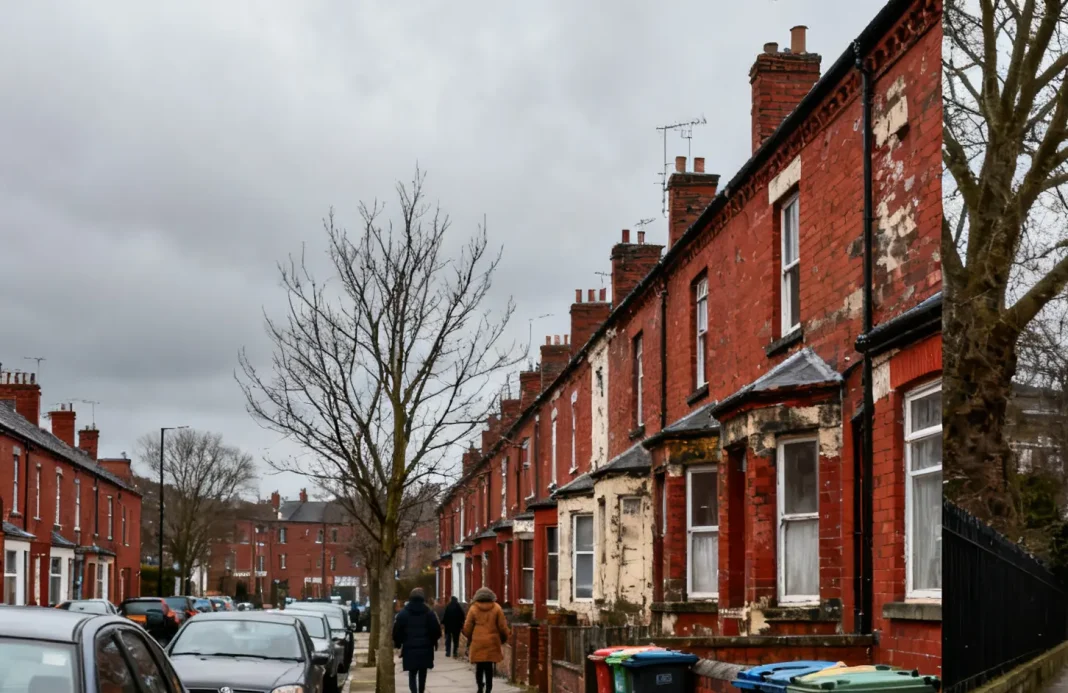

A group of northern Labour MPs is calling on Andy Burnham to replace Council Tax with a Land Value Tax, arguing the current system creates unfair burdens on lower-value properties in the North.
The MPs claim Council Tax, which is based on 1991 property valuations, disproportionately affects residents in northern constituencies compared to those in high-value southern areas.
How land value tax would work
A Land Value Tax (LVT) would impose an annual charge based on the value of land beneath a property rather than the buildings constructed on it. This would shift the tax burden towards high-value areas in London and the South East, where land values are significantly higher than in northern regions.
Jonathan Hinder, Labour MP for Pendle and Clitheroe, told the Telegraph that “momentum among Labour MPs is real and growing” for introducing LVT. He described the current system as “absurd”, noting that “someone in a London town house worth millions pays less Council Tax than a constituent of mine in a house worth £100,000”.
Hinder added that the change “is achievable in this Parliament” if leadership “grasp the nettle and make the bold choice we need”.
Regional impact and potential savings
Jonathan Brash, Labour MP for Hartlepool, stated that “70% of households in the North East would be better off” under a proportional property tax system. He claimed nearly a third of households could save as much as £1,500 annually.
Brash acknowledged that “some would lose out” but argued it “would, and should, be the wealthy in our society shouldering that burden”.
The proposal comes as UK house prices decline for the third consecutive month, highlighting ongoing regional disparities in property values across the country.
Andy Burnham has previously expressed support for the concept, stating: “I think land is under-taxed.” The debate over property taxation reform continues as local authorities face funding pressures, with issues such as social housing waiting lists adding to concerns about housing policy.
The proposal would represent a significant shift in local taxation policy, though no timeline for implementation has been announced. Any reform would require detailed assessment of its impact on property markets and household finances across different regions.