
At a Glance
- In his first Jackson Hole speech as Federal Reserve chairman, Kevin Warsh doubled down on the 2% PCE inflation target, on inflation having been too high for too long, and on the policy rate as the tool to fix it.
- He also doubled down on making no policy commitments. That is not a contradiction. It is a credible threat, and the question is not if the Fed hikes, but when.
- Prediction markets moved in real time. CME FedWatch put the odds of a September hold at 64% going into the speech. After, markets were pricing a 57% chance of a hike.
- Higher inflation means higher mortgage rates for longer while eroding paychecks and real income growth, hitting housing on both the demand and affordability fronts.
- Do not expect real mortgage rate relief this fall. Taming inflation now is what puts the housing market in a better place on rates and purchasing power in the next 6 to 12 months.
Warsh’s speech was a series of doubling down
Fed Chairman Kevin Warsh’s first Jackson Hole speech was an exercise in doubling down. He doubled down on the Fed’s inflation target and preferred gauge: 2% year over year PCE growth. He doubled down that inflation has been too high for too long, and that 65 months of elevated inflation is essentially the Fed’s fault. He doubled down that the Fed’s policy rate is the tool to fix it.
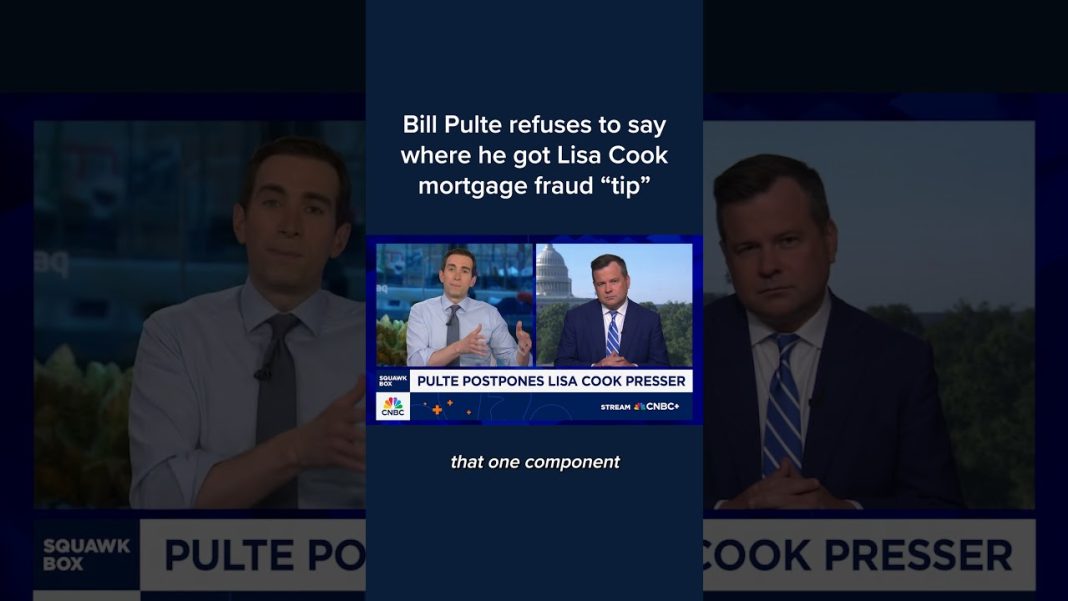
And then, just as firmly, he doubled down that he would not commit to anything. These things may seem in tension – acknowledging the Fed must act while simultaneously refusing to make any pledge to do so – but what Warsh did today is make a credible threat. The question is not if the Fed hikes, but when. Prediction markets reacted in real time as well. Going into the speech, CME FedWatch put the odds of a September hold at 64%. Fifteen minutes in, that had fallen to 54%. By the time he finished, markets were pricing a 57% chance of a rate hike. If Warsh wanted to make a threat that markets believe, he succeeded.
“The question is not if the Fed hikes, but when.”
What it means for housing
What does it all mean for housing? Likely some more short term pain for long-term gain. Warsh is right about the threat inflation poses to consumers, and by extension to housing. Higher inflation means higher mortgage rates for longer, while simultaneously eroding paychecks and real income growth. That hits housing on both the demand and affordability fronts – not to mention the effect of inflation on building materials.
The bottom line for buyers this fall
In the short run, I would not predict any real mortgage rate relief this fall. But taming inflation as soon as possible can put the housing market in a much better place – on mortgage rates and on purchasing power – in the next 6 to 12 months, and beyond.
“Higher inflation means higher mortgage rates for longer, while simultaneously eroding paychecks and real income growth.”