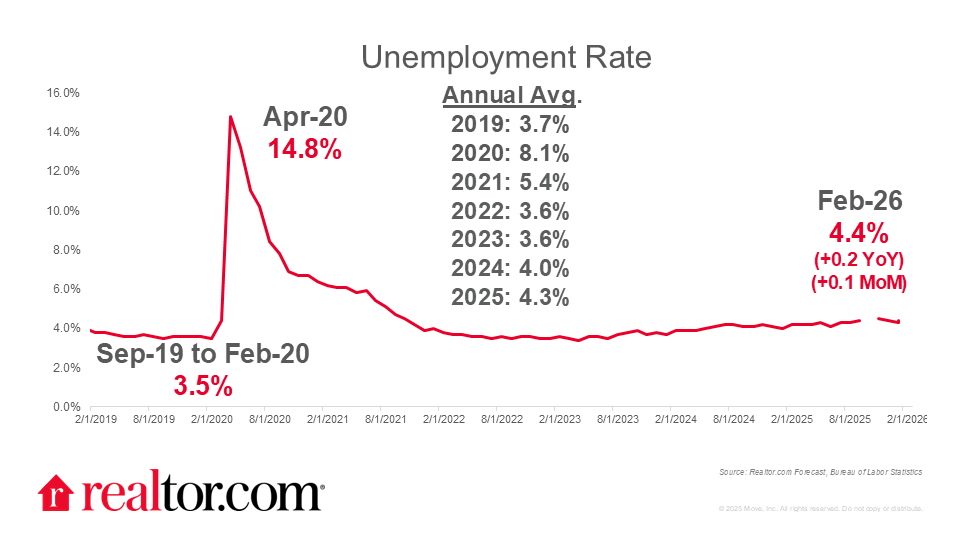

August payrolls jump 162,000 as prior months get revised up too
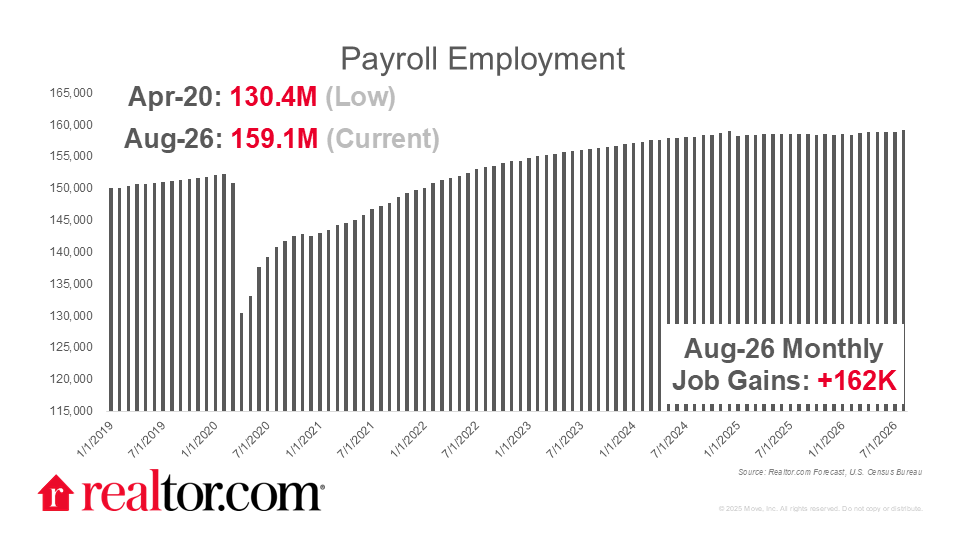
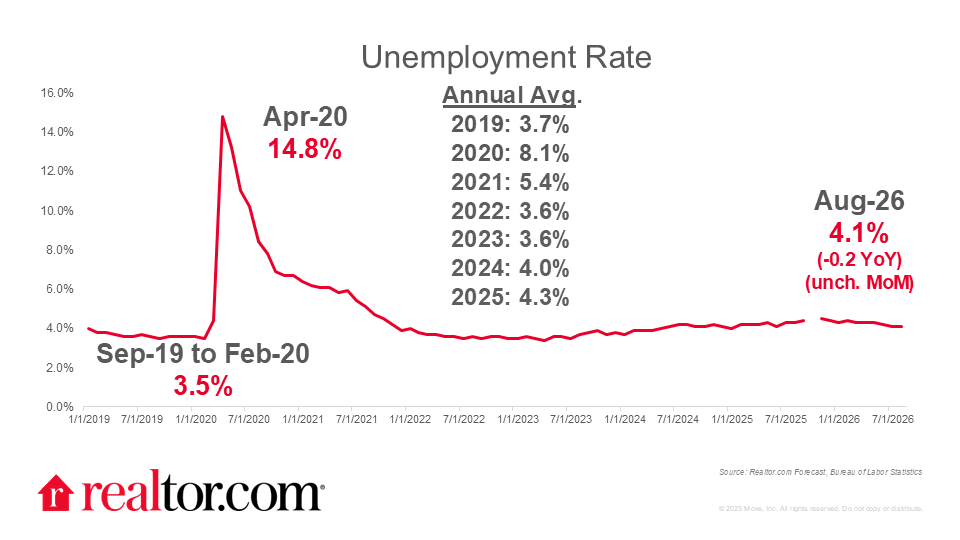
Friday’s August jobs report rebounded in a big way following two disappointing readings in June and July. Payrolls jumped 162,000, well above the 53,000 to 65,000 consensus, while unemployment held steady at 4.1% instead of ticking up to 4.2% as most had predicted. Wage growth came in exactly as expected, up 0.3% month over month after a dire 0.1% in July. Revisions came in strong, which means perhaps the summer labor market was a bit better than initially thought. June was revised up to 31,000 jobs, and July, originally reported as a 23,000 job loss, is now a 21,000 gain. The 3-month average payroll gain is now 71,000, compared to the 50,000 average pace over the prior 12 months.
An upside jobs surprise barely moved rate hike odds, because it’s all about inflation
The bigger story today may be what this report didn’t do to the Fed’s outlook heading into the September 15-16 meeting. Hike odds drifted to 52.4% minutes before this morning’s release, after weeks of whiplash. Last week, Warsh’s hawkish Jackson Hole speech swung hike odds 21 percentage points in a matter of minutes, from 36% to 57%; yesterday, Governor Waller’s pushback toward a hold pulled them back down by 13 points. Against that backdrop, a payroll number this size, plus revisions erasing two months of weak prints, could have been exactly the kind of data that moves markets. Instead, hike odds ticked up just 0.2 percentage points, to 52.6%. Non-reaction is the real story here. After weeks of markets swinging wildly on every Fed speech, an impressive jobs report barely registered, which tells us exactly what side of the dual mandate matters. It’s all about inflation, which puts all eyes on next week’s CPI print as the final decisive number for the FOMC.
Housing keeps decelerating, and a stronger jobs report won’t change that
Today’s upside surprise is a genuinely good report, but I wouldn’t expect it to move housing demand much on its own. The median homebuyer or seller right now likely is not concerned about unemployment or median earnings growth stats. Instead, they are watching mortgage rates, prices, and whether to get off the sidelines or re-price their home if they’re already in the market. And on that front, August’s housing data showed a summer market is going out with a bit of a whimper. Pending sales growth turned negative for the first time since last November, and mortgage rates touched a 2026 high of 6.71% this week. Pricing and delisting trends do suggest a better match between what buyers and sellers want this year, even though sales themselves haven’t moved much. If July’s housing market was coasting, August decelerated, and I’d expect that trend to continue into fall, partly on normal seasonal patterns and partly because mortgage rates are moving in the wrong direction rather than buoying the market the way they did last fall.
If today’s report ends up mattering for housing at all, it will be through the Fed and mortgage rates, not through some more direct channel like wage growth. And even that channel may be muted this time. The Fed’s attention right now is almost entirely on inflation, not the labor market, and bond markets are just as focused on inflation, the fiscal picture, and geopolitics as they are on any single jobs number. What inflation does next week and throughout this fall – not today’s payrolls – will set the stage for where mortgage rates land early next year, right as buyers and sellers start making plans again.
Subscribe to our mailing list to receive updates on the latest data and research.